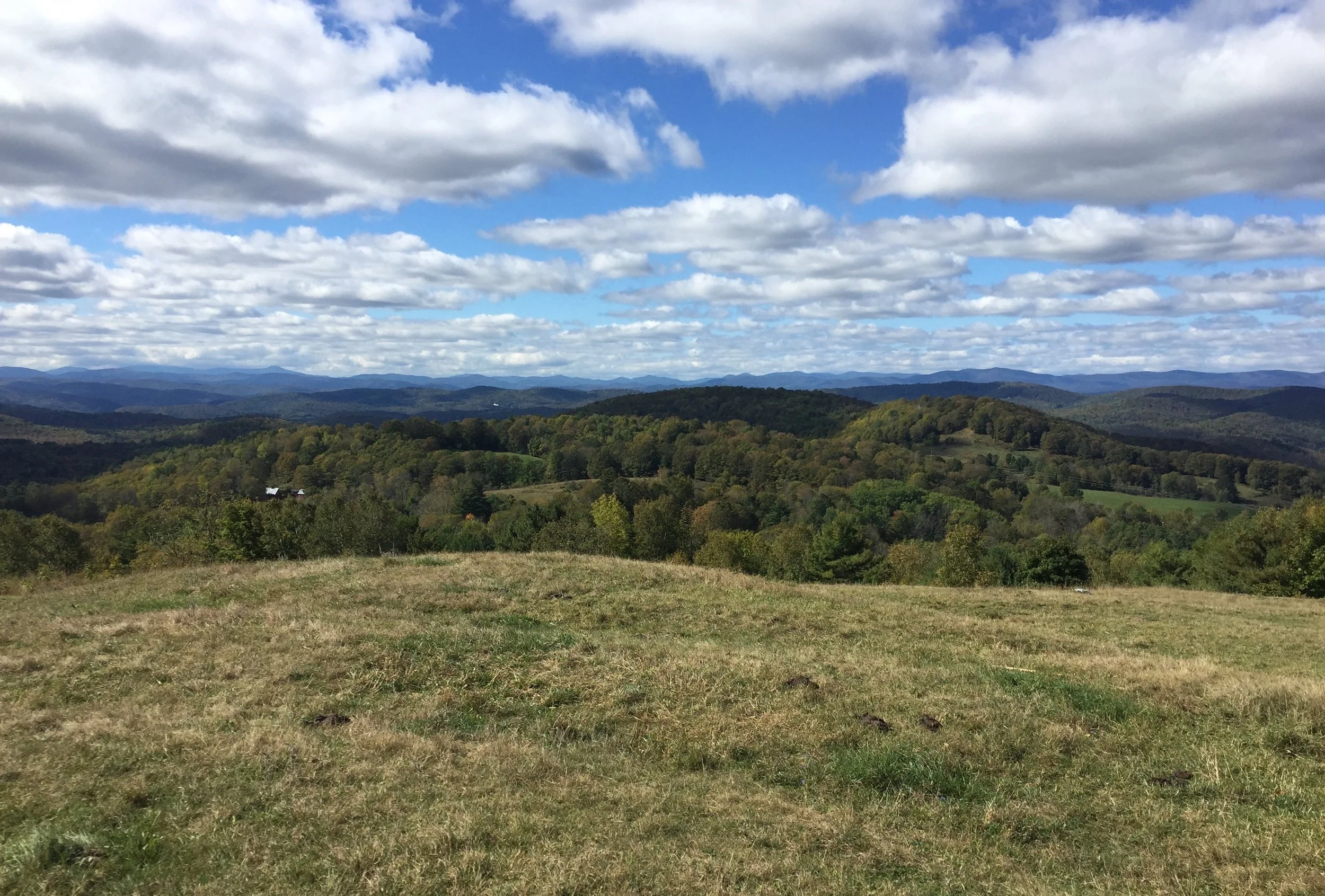
I am a Vermont-based journalist who writes news stories, essays and feature length articles for magazines and websites. In 2012, the University Press of New England published my book, Milk Money, a non-fiction exposè of the American dairy industry, with a foreword by Bernie Sanders. My writing often explores the natural world and how we travel through it on skis and bikes, or with fishing pole in hand. I also write frequently about the business world, an area I’ve learned a lot about as a senior writer at the Tuck School of Business at Dartmouth.
Favorite Work
As a writer, you never know which stories are going to leave a lasting impression on you. Here are the ones I most enjoyed telling.

Most nights in Woodstock, Vt. are quiet. Route 4, the main east-west corridor in the state, plumbs a line straight through this quaint New England town, past an oval-shaped green and brick courthouse and a colonnaded town hall.

Ascutney’s life as a resort, in the conventional sense, appears to be over.

Look with a jaundiced eye at trout fishing in the east, and you’ll see an experience orchestrated to match every angler’s wildest dream.

Jackson is the rare town where you can ski from bar to bar, with just a bit of walking to connect a trail or two.

Every weekday morning at approximately 6:30, Willem Heydendael, a 35-year-old medical consultant, hops on his bike and rides 15 miles along the Schuylkill River from his home in the Passyunk Square neighborhood of South Philadelphia to his office in Conshohocken, a suburb northwest of the city.

The daily consumption of fluid milk—as opposed to milk-based products like cheese, yogurt, and butter—has steadily declined from 0.96 cups per person in 1970 to 0.59 cups in 2011.
Recent writing

When Suleiman "Sule" Kangangi, a professional cyclist from Kenya, began the 59-mile Vermont Overland gravel race in West Windsor on the morning of August 27, he had every reason to expect his team to win it. A little over three hours later, his teammates had finished first and third. It wasn't until later that afternoon that they learned Kangangi, their team captain, had perished from injuries sustained in a crash nobody saw and no one can fully explain.

Tuck professor Vijay Govindarajan created and led a first-of-its-kind GIX using VR technology and remote, real-time market research with consumers in India.

What will work look like when employees return to work? Tuck faculty offer their predictions on the new normal.

Tuck professor Davin Chor analyzed night light data from satellite imagery to infer the impact of the new tariffs on China’s economy.
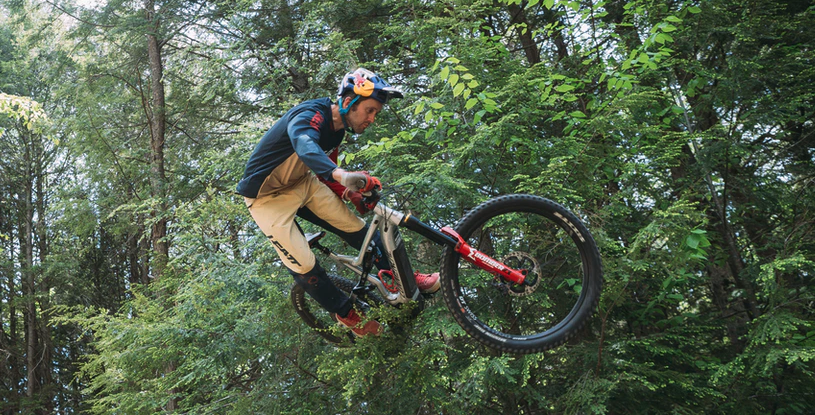
Veteran professional freeride mountain biker Aaron Chase talks about his evolution as a rider and brand ambassador.

Could racing a pedal-assisted mountain bike up the highest peak in the Northeast become cycling’s next great race?

A new film documents the creation of backcountry skiing zones on public land in Vermont.

The novel coronavirus pandemic raging right now is arguably the biggest economic and public health crisis in generations. Anyone with a clear head is at least very concerned about its impact on their families and friends and the world at large. In these unprecedented times, the first instinct for many academics is to ask what we, as a society, can learn from what’s happening around us.
For Tuck associate professor Jordan Schoenfeld, who specializes in the role of information in financial markets, that instinct led him to do some early work on the financial impact of the pandemic. It’s an issue no one has studied much yet, because this is the first time much of the global economy has been shuttered, as people across the world are under orders to stay home from work and not gather in groups, in an effort to slow the spread of the COVID-19 disease.